Buying A Second Home On Topsail Island: Key Considerations
Real Estate
Real Estate
Thinking about a second home on Topsail Island? It can be an exciting step, but buying in Topsail Beach is different from buying on the mainland. You are not just choosing a house. You are also choosing beach access, coastal exposure, carrying costs, and how you want to use the property over time. If you want a clearer picture before you buy, this guide will walk you through the key considerations that matter most. Let’s dive in.
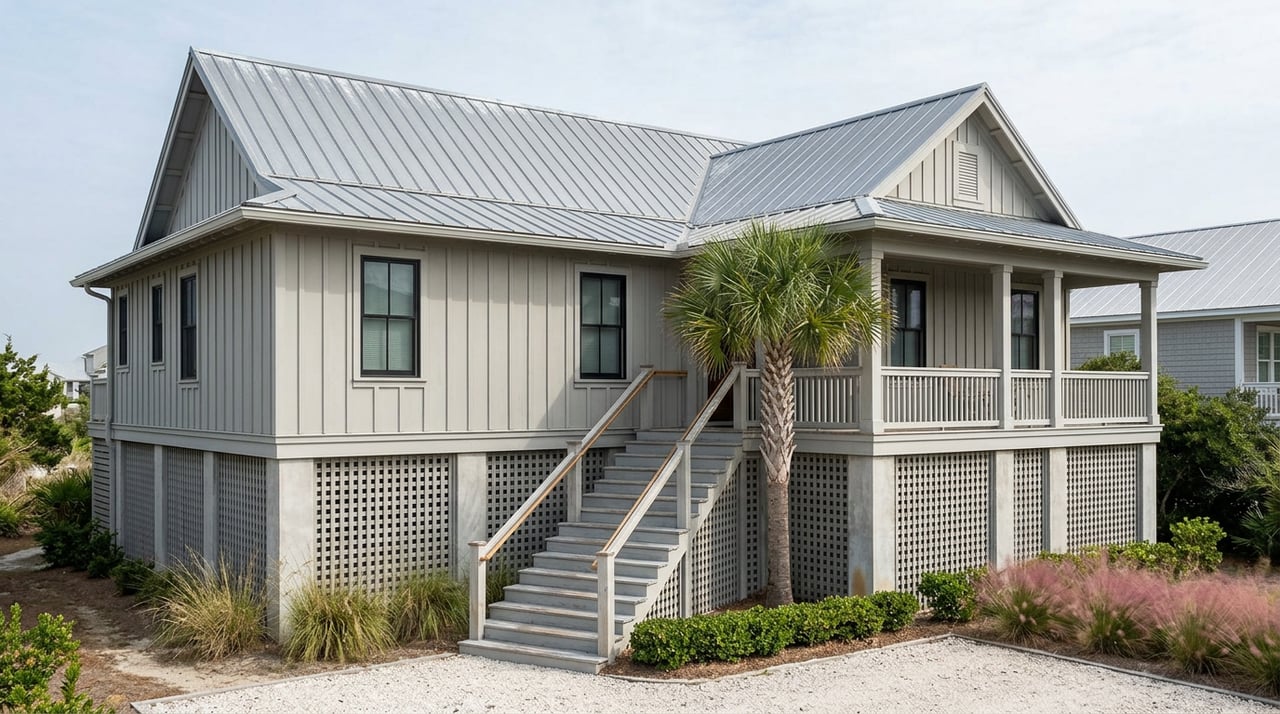
Topsail Beach is a barrier-island community, and that shapes the ownership experience in a very real way. The town maintains 22 public beach accesses, offers sound-side access to the Intracoastal Waterway, and manages shoreline conditions through a long-term beach management plan and ongoing nourishment work.
For you as a buyer, that means location matters beyond just the view. A home’s position on the island can affect convenience, walkability, access to the beach or water, and your comfort level with long-term coastal exposure.
If boating is part of your lifestyle, Bush Marina adds another layer to the appeal. The town notes that the marina includes a boat ramp and rentable slips, with reservations required, which can make Topsail Beach especially attractive if you want both beach time and water access in one place.
A second home budget should go well beyond the purchase price. In Topsail Beach, your annual ownership costs may include property taxes, utilities, insurance, parking logistics, and any permit-related expenses for future improvements.
For fiscal year 2025-2026, Topsail Beach’s property-tax rate is $0.48 per $100 of assessed value, and Pender County’s rate is $0.7375 per $100. Both the town and county bills are due September 1, and Topsail Beach bills and collects its own real and personal taxes.
On a home assessed at $500,000, that works out to about:
Pender County has also noted that new values will be used for tax bills beginning in summer 2026 as part of its revaluation cycle. That is important to keep in mind if you are estimating long-term carrying costs.
If you are comparing this purchase to your primary home, be careful not to assume the tax treatment will be the same. Pender County’s property-tax relief programs require the owner to live in the home full time and be the permanent resident as of January 1.
In most second-home scenarios, that means those relief programs will not apply. Your annual ownership cost may be higher than expected if you start with a primary-residence mindset.
Part-time use does not always mean part-time expenses. Topsail Beach’s current fee schedule lists a $40 monthly water facility charge, $17 per month for a residential solid-waste cart, and $14 per month for residential recycling, plus a $100 water deposit for an owner applicant.
The town also states that water and garbage billing begins when the meter is installed, whether the service is used or not. If you only plan to use the home during certain seasons, this is a practical cost to build into your budget from day one.
If you are buying a home with plans to update it later, permitting should be part of your cost estimate. Topsail Beach’s fee schedule includes items such as a $50 zoning permit, a $50 floodplain-development fee, and a $25 certificate of occupancy fee, along with a building-permit valuation schedule.
Even smaller projects can come with a coastal permitting layer. If you are comparing homes, it helps to think not only about what you want to change, but also what it may take to do that work after closing.
For many second-home owners, convenience becomes part of the value equation. Topsail Beach uses paid parking in designated lots from March 1 through October 31, and the town’s 2026 parking-season notice says residents and property owners can set up a free permit online using the water-bill account number.
That may sound like a small detail, but it can affect your day-to-day experience. If you expect frequent visits, guests, or weekend trips back and forth, local parking and access rules are worth understanding before you buy.
Insurance and risk planning are a major part of buying a second home on the coast. In Topsail Beach, you should think about flood exposure, windstorm coverage, and the ongoing maintenance that comes with a beachfront or near-water property.
Flood insurance is not usually included in a standard homeowners policy. FEMA states that homeowners insurance does not normally cover flood damage, and that flood insurance is a separate policy.
FEMA also notes that properties in high-risk flood areas with government-backed mortgages are required to carry flood insurance. There is typically a 30-day waiting period before a flood policy takes effect, so it is smart to start that conversation well before closing.
On the North Carolina coast, windstorm and hail coverage can be handled differently than buyers expect. The North Carolina Department of Insurance says this coverage is often written separately in coastal areas through the North Carolina Insurance Underwriting Association’s Coastal Property Insurance Pool.
The department also notes that qualifying homeowners may be eligible for mitigation credits. That is one reason roof condition and other storm-resistance features deserve a close look during your home search.
Because Topsail Beach actively manages erosion and beach nourishment, shoreline conditions should not be treated as background information. They are part of the ownership picture.
When you evaluate a property, pay attention to features like:
In general, coastal homes often need more proactive maintenance than inland properties. A home that looks beautiful during a showing may still need a realistic upkeep budget.
One of the biggest questions with a second home is simple: will this be for personal use only, or do you plan to rent it part time? That choice can shape taxes, compliance, insurance, and even how you evaluate the property in the first place.
If the home is only for your own use, the tax picture is more straightforward. Once you begin renting it, the rules become more detailed.
IRS Publication 527 says owners must separate rental-use and personal-use days. It also states that if your personal use exceeds the greater of 14 days or 10% of rental days, the dwelling is treated as a residence for federal tax purposes.
The IRS also says that if a dwelling is used as a home and rented for fewer than 15 days during the year, the rental income is not reported and rental expenses are not deducted. If your plan is a mix of personal enjoyment and occasional rental income, careful recordkeeping matters from the start.
In Pender County, a short-term rental is defined as an accommodation provided to the same person for less than 90 continuous days. The county states that the occupancy tax rate is 6% in Topsail Beach town limits, payable to the Town.
The county also says the short-term rental owner or accommodation manager is responsible for remitting that tax. If rental income is part of your ownership strategy, it is important to understand those local obligations before you count on revenue.
Topsail Beach publishes its code of ordinances online, and buyers should review local rules before assuming a vacation-rental plan will work exactly as expected. If you are buying with mixed personal and rental use in mind, your lender, insurer, and tax professional should all be part of that conversation.
That kind of planning can help you avoid surprises after closing. It can also help you compare properties based on how well they fit your actual goals, not just the listing description.
Before you move forward on a second home in Topsail Beach, it helps to pause and ask a few practical questions:
These questions do more than protect your budget. They help you buy with confidence and choose a property that fits the way you actually want to live.
Buying a second home on Topsail Island can be a wonderful lifestyle move, but the best decisions usually come from looking beyond the listing photos. When you understand the real costs, the insurance picture, the intended use, and the practical details of barrier-island ownership, you are in a much stronger position to choose well.
If you want thoughtful local guidance as you explore Topsail Beach and nearby coastal communities, Savannah Holman is here to help you navigate the process with clarity, care, and a strong understanding of coastal North Carolina living.

Savannah Holman is a dedicated real estate professional who brings both personal insight and professional expertise to every client relationship. After experiencing the challenges of relocating with her own family through military orders, she developed a passion for making the home-buying and relocation process easier for others. With degrees in psychology and business, a background in corporate sales, and over eight years of real estate success with 500+ transactions, Savannah combines knowledge, compassion, and advocacy to deliver a seamless and positive experience. She is committed to treating every client like her first, ensuring their journey to a new home is both memorable and rewarding.
📍 110 Dungannon Blvd., Ste. 100, Wilmington, NC 28403
📞 (910) 799-3435



The building blocks that Savannah utilized to help create the experience that she wanted for her clients were instilled in her through lessons she learned from her family, mentors in her youth, and early career opportunities. Contact her today to find out how she can be of assistance to you!