First-Time Home Buying In Wilmington: What To Expect
Real Estate
Real Estate
Buying your first home in Wilmington can feel exciting one minute and overwhelming the next. Between financing, contracts, inspections, and coastal concerns like flood zones and local taxes, it is normal to wonder what comes first and what really matters. The good news is that the process gets much easier when you understand the steps ahead of time. Here’s what you can expect as a first-time buyer in Wilmington, and how to move through the process with more confidence.
Before you start touring homes, it helps to know what you can comfortably afford. A lender prequalification can give you a starting point, but it is not the same thing as a loan guarantee.
In North Carolina, it is wise to talk with your lender before you sign an offer. That helps you make sure your timeline gives enough room for the appraisal, underwriting, and any other lender requirements that need to happen during the contract period.
For many first-time buyers, this early step brings a lot of peace of mind. It helps you shop with clearer expectations and avoid falling in love with a home that does not fit your numbers.
North Carolina has a few real estate practices that first-time buyers should understand early. At first substantial contact, brokers must provide a disclosure called Working With Real Estate Agents.
If a broker is representing you as a buyer, there must be a written buyer agency agreement no later than the time you make an offer. In real life, that means it is best to have that relationship clearly set before you get to the offer stage.
This can actually make the process feel simpler, not more complicated. When expectations are clear from the beginning, you know who is guiding you and what support you have as you move forward.
The basic roadmap for buying a home in Wilmington is fairly straightforward, but each stage matters. Most first-time buyers move through the process in this order:
The biggest adjustment for many buyers is realizing that a lot happens after an offer is accepted. Getting under contract is a major milestone, but it is not the finish line.
In North Carolina, the standard purchase contract centers on a negotiated due diligence period. This is one of the most important parts of the process for first-time buyers.
During this window, you can inspect the property, review documents, and continue working through financing. If you decide to terminate the contract before the due diligence deadline, you may do so for any reason or no reason at all.
There is an important financial detail to know here. The due diligence fee is generally non-refundable except in limited cases, while earnest money is typically refunded if the contract is terminated during the due diligence period.
If that period expires and you cannot close later, your earnest money may be at risk. That is why the due diligence timeline should be taken seriously from day one.
Once your offer is accepted, the clock starts ticking. For most first-time buyers, this becomes the busiest part of the entire transaction.
You will likely be coordinating several moving pieces at once, including:
If you need more time, that has to be negotiated with the seller before the due diligence period expires. In North Carolina, contract changes, additions, and deletions should also be initialed and dated by both parties.
It is easy for first-time buyers to assume the seller’s disclosure answers every important question about the home. In North Carolina, that is not the case.
The property disclosure statement is not a warranty, and it is not a substitute for your own inspection. That is why planning for a home inspection during due diligence is such an important part of protecting yourself.
A practical approach is to treat inspections, appraisal, and loan approval as time-sensitive tasks. The goal is to gather the information you need while you still have time to make decisions before your due diligence deadline.
Your down payment is only one part of the full cost of buying a home. In Wilmington, you should also plan for closing costs and ongoing ownership costs.
North Carolina charges a real estate excise tax of $1 per $500 of consideration, payable before recording. Buyers should also expect the closing process to involve costs tied to appraisal, title search, title insurance, recording, and deed preparation.
Then there are property taxes, which continue after closing. For fiscal year 2026-2027, New Hanover County kept its tax rate at 30.6 cents per $100 of assessed value, and the City of Wilmington adopted a property tax increase of 4.9 cents per $100. For homes within Wilmington city limits, tax bills include municipality taxes.
Because Wilmington is a coastal market, floodplain status can be an important part of your home search. This is something to look into early rather than waiting until the end of the process.
The City of Wilmington notes that FEMA-designated flood zones affect parts of the city. FEMA also requires flood insurance for properties in Special Flood Hazard Areas when the mortgage is government-backed.
Wilmington’s zoning team handles floodplain determinations and floodplain certifications. For a first-time buyer, this can be a helpful way to confirm a property’s status while you are still evaluating monthly costs and long-term fit.
Closing day in North Carolina works a little differently than it does in some other states. Residential closings must be supervised by a licensed North Carolina attorney.
The contract defines closing by the recording of the deed, which means the process is not just about signing paperwork. There is also legal and title work happening behind the scenes to complete the transaction properly.
You should also verify wire instructions directly with the closing attorney. That simple step can help protect you during one of the most important financial moments in the process.
Title work is a routine part of closing, but many first-time buyers are hearing these terms for the first time. Usually, the closing process includes a title search and title insurance.
One detail to understand is that lender title coverage protects the lender, not your equity. That is why it is smart to ask about an owner’s policy and how it fits into your closing plan.
When you know what each piece is doing, the paperwork starts to feel much less mysterious. It becomes easier to ask good questions and feel informed at the closing table.
If buying feels just out of reach, local and state programs may help lower the barrier to entry. Wilmington offers several resources that first-time buyers should know about.
The City of Wilmington’s Home Ownership Pool provides up to $25,000 in down payment assistance for eligible low-to-moderate income households purchasing within city limits. Homebuyer education is the first step, and the city’s free class is led by HUD-certified counselors. The certificate stays valid for two years.
The city also offers free one-on-one housing counseling and workshops covering topics like credit counseling, homeowners insurance, and disaster preparedness. Another city option, CPLP, offers up to $50,000 or 20% in down payment assistance, has no location restrictions, and requires a 640 credit score.
At the state level, the North Carolina Housing Finance Agency offers the NC Home Advantage Mortgage, which includes fixed-rate financing and down payment assistance up to 3% of the loan amount. It also offers the NC 1st Home Advantage Down Payment option, which provides $15,000 for eligible first-time buyers and military veterans.
A first home purchase can bring a lot of emotions with it. You may be excited, nervous, hopeful, and unsure all at once, especially if you are balancing rent deadlines, job changes, or a relocation timeline.
That is exactly why a clear plan matters. When you understand pre-approval, buyer representation, due diligence, inspections, closing costs, floodplain review, and attorney-supervised closing, the process becomes much easier to manage.
In Wilmington, buying your first home is not just about finding the right house. It is also about understanding the local process so you can make steady, informed decisions from start to finish.
If you are getting ready to buy your first home in Wilmington and want thoughtful, local guidance, Savannah Holman is here to help you move forward with clarity and confidence.
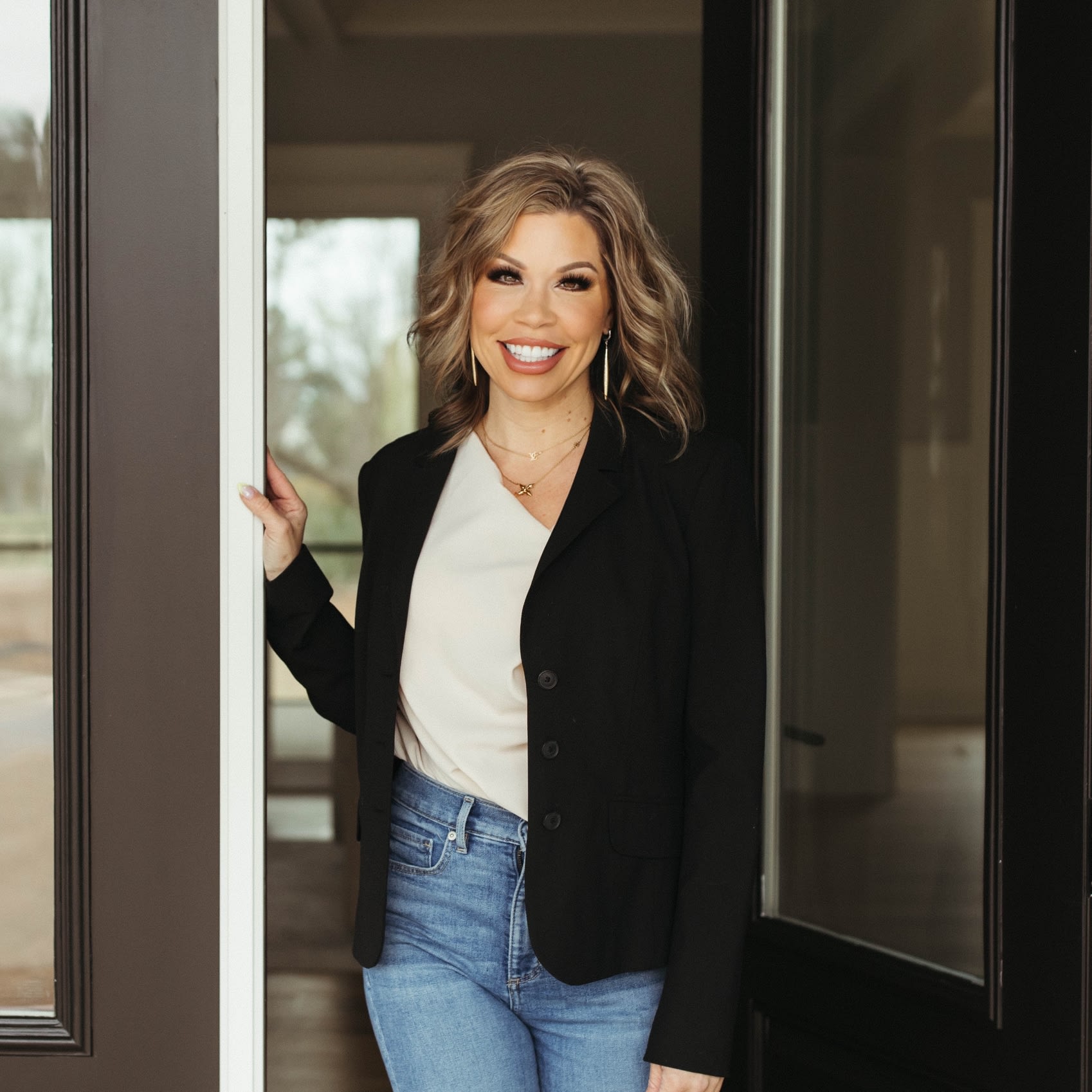
Savannah Holman is a dedicated real estate professional who brings both personal insight and professional expertise to every client relationship. After experiencing the challenges of relocating with her own family through military orders, she developed a passion for making the home-buying and relocation process easier for others. With degrees in psychology and business, a background in corporate sales, and over eight years of real estate success with 500+ transactions, Savannah combines knowledge, compassion, and advocacy to deliver a seamless and positive experience. She is committed to treating every client like her first, ensuring their journey to a new home is both memorable and rewarding.
📍 110 Dungannon Blvd., Ste. 100, Wilmington, NC 28403
📞 (910) 799-3435




The building blocks that Savannah utilized to help create the experience that she wanted for her clients were instilled in her through lessons she learned from her family, mentors in her youth, and early career opportunities. Contact her today to find out how she can be of assistance to you!