From Historic To Coastal Modern: Home Styles In Wilmington
Lifestyle
Lifestyle
Wondering why one Wilmington home feels rooted in history while another feels light, elevated, and built for coastal living? If you are buying, selling, or just narrowing your options, understanding local home styles can help you see past surface details and focus on how a home may actually live day to day. Wilmington has a layered housing story, and once you know what to look for, it becomes much easier to spot the style, upkeep, and setting that fit your goals. Let’s dive in.
Wilmington is not a one-style market. The city’s architecture stretches from early Georgian and Federal homes to Greek Revival, Italianate, Queen Anne, Craftsman, Four Square, Cape Cod, and newer coastal-influenced infill.
That mix reflects how Wilmington grew over time. According to the city’s historic district standards, port activity, railroad growth, prefabricated kit housing, and shipbuilding-era worker housing all shaped the local housing stock, which is why you will find both detailed historic homes and simpler cottages across the city.
These are some of the oldest visible home styles in Wilmington. They are often defined by symmetry, formal entry details, transoms and sidelights, and smaller-paned sash windows.
If you are drawn to classic curb appeal, these homes often deliver a strong sense of proportion and presence. They also tend to sit close to the street, which gives many blocks in the older core a more connected, walkable feel.
As Wilmington expanded, later historic styles added more ornament and variety. The city identifies Italianate, Second Empire, Queen Anne, and Folk Victorian homes as part of that architectural timeline.
These homes may include bay windows, decorative brackets, mansard roofs, asymmetrical shapes, and in some cases turrets. If you love detail and personality, this part of Wilmington’s housing mix is often where the strongest visual character shows up.
Wilmington’s early 20th-century neighborhoods brought another wave of home styles. The city identifies Carolina Heights, Carolina Place, Brookwood, Forest Hills, Winoca Terrace, Sunset Park, and Audubon as trolley-car suburbs.
In these areas, you may see Colonial, Georgian, Federal, and Neoclassical Revival homes alongside Tudor, Mediterranean, Prairie, Craftsman, Four Square, and Cape Cod forms. That variety gives buyers more options if they want older character without every street feeling the same.
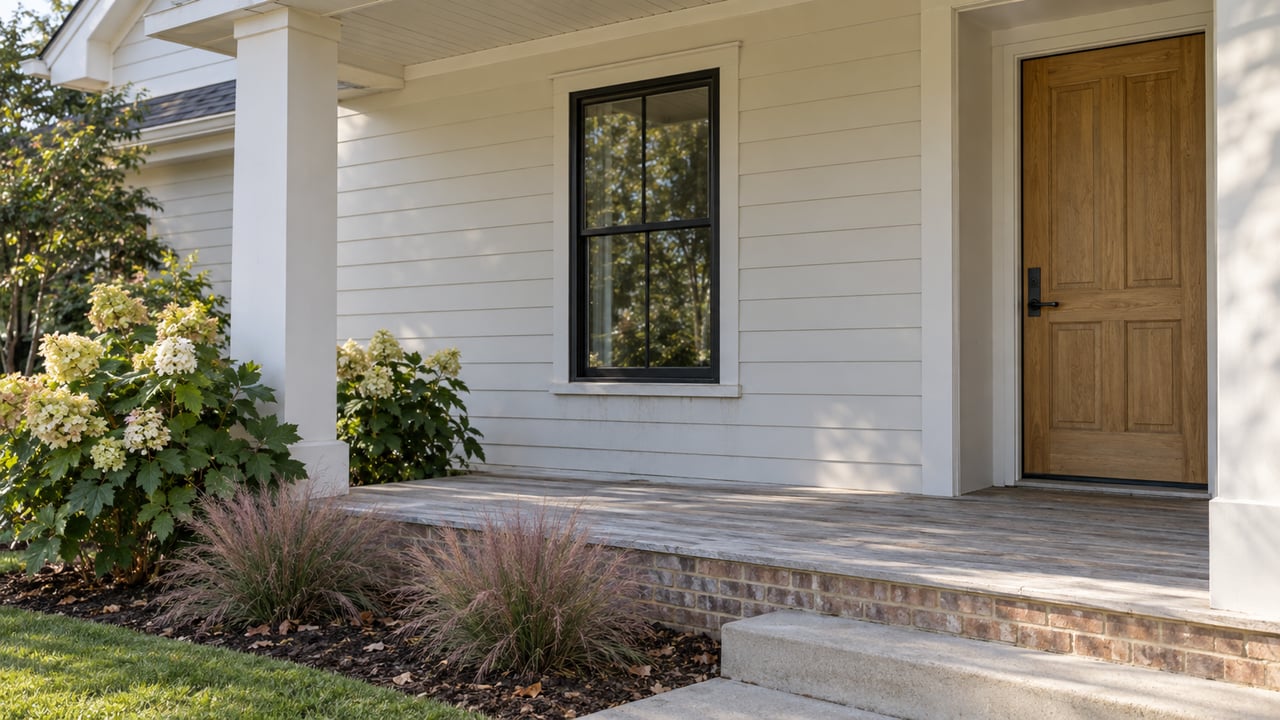
Craftsman and bungalow-style homes remain especially popular because they often feel approachable and practical. Their appeal usually comes from simpler lines, front porches, and a layout that feels comfortable for everyday life.
In Wilmington, porch culture matters. Older neighborhoods with stronger street relationships often create a more connected front-of-home experience, which can be a big lifestyle factor if you want outdoor living that feels usable rather than purely decorative.
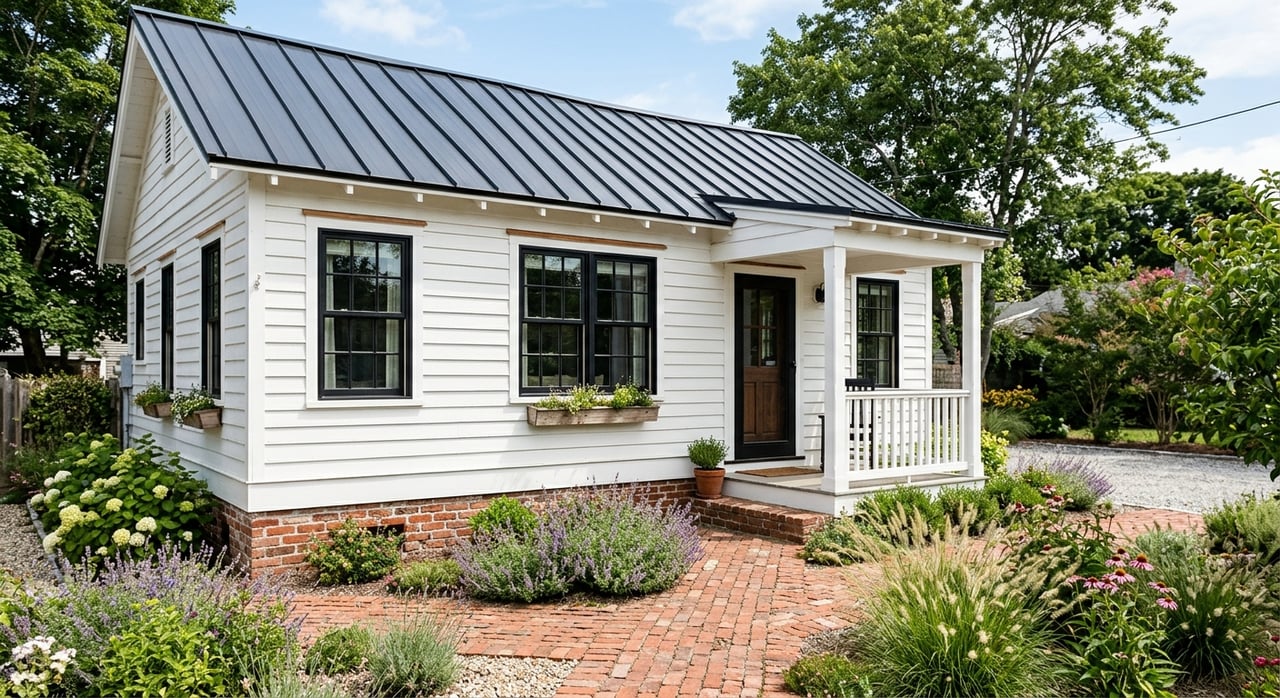
In Sunset Park, the city specifically notes small Cape Cod cottages, many of them prefabricated, built along parallel streets for workers. That history matters because it explains why some homes in Wilmington feel more modest, efficient, and straightforward even when they are part of an older neighborhood fabric.
For buyers, that can be a plus. Smaller historic cottages may offer charm without the scale of a larger period home, though condition and maintenance still deserve close attention.
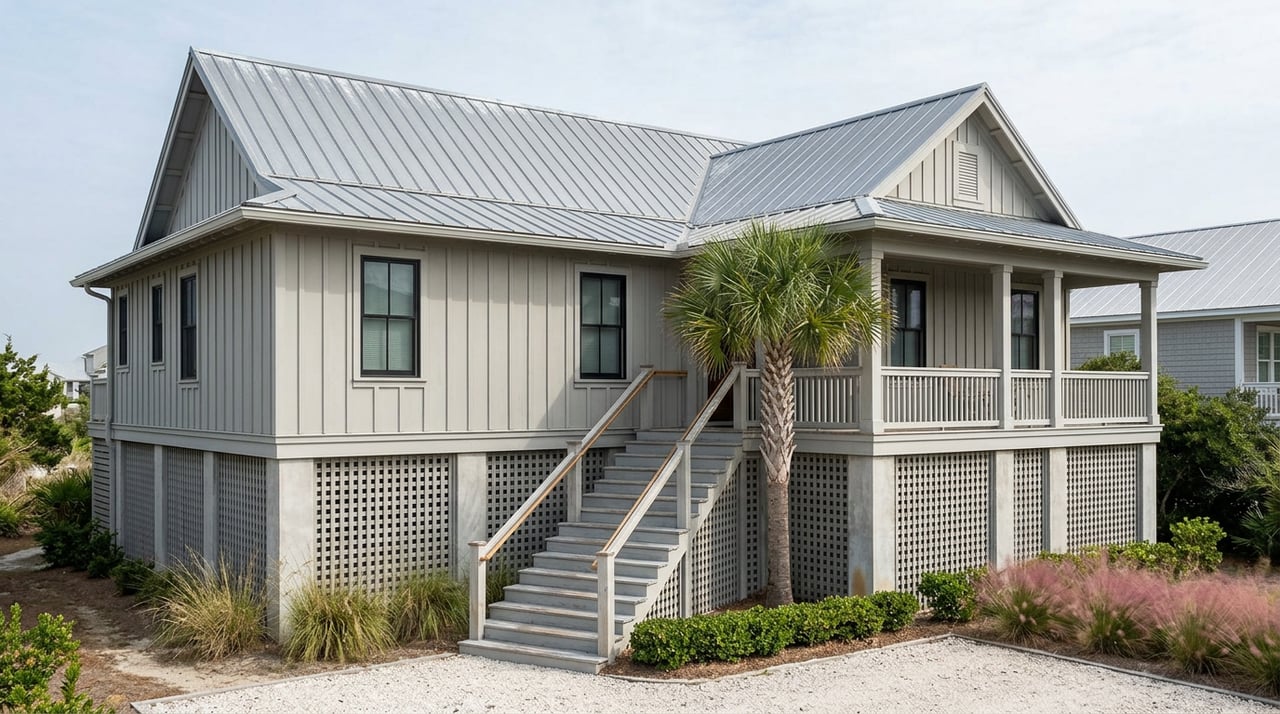
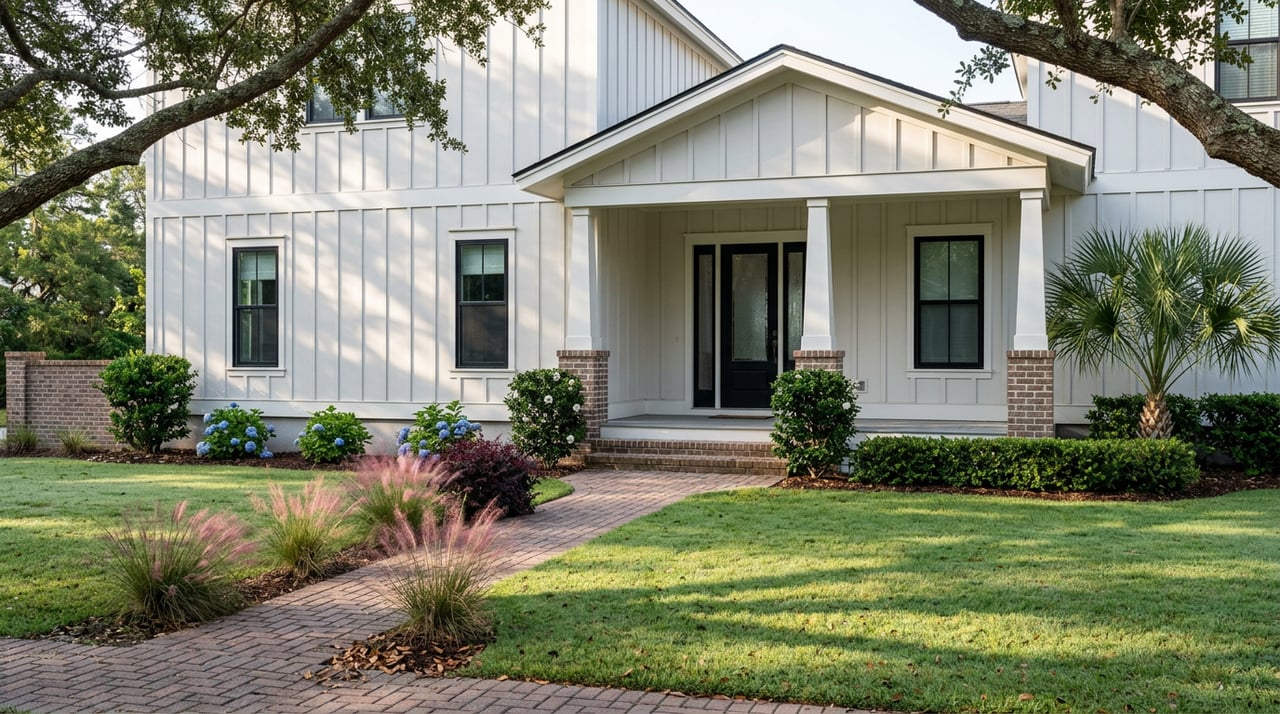
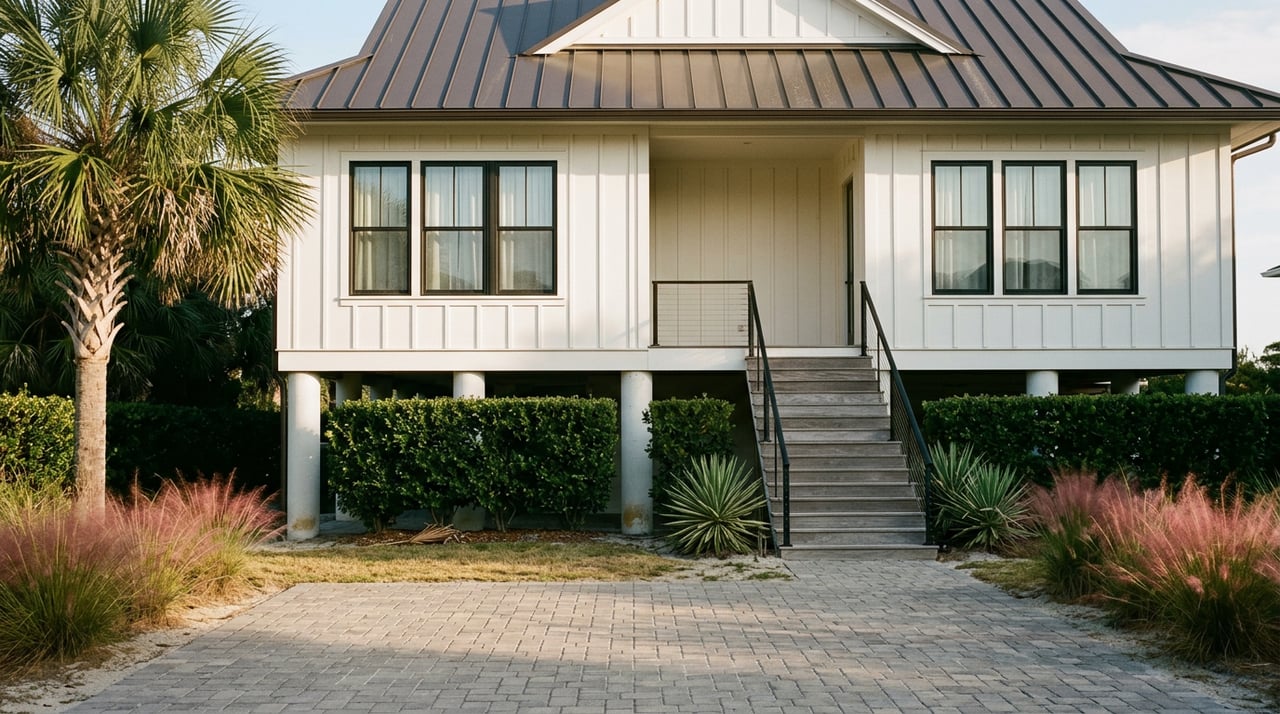
Coastal modern in Wilmington is not just glass walls and a free-form design approach. The city’s standards make clear that newer residential buildings can use contemporary materials, but they still need to stay compatible with the surrounding block in massing, roof form, window rhythm, and front-porch proportion.
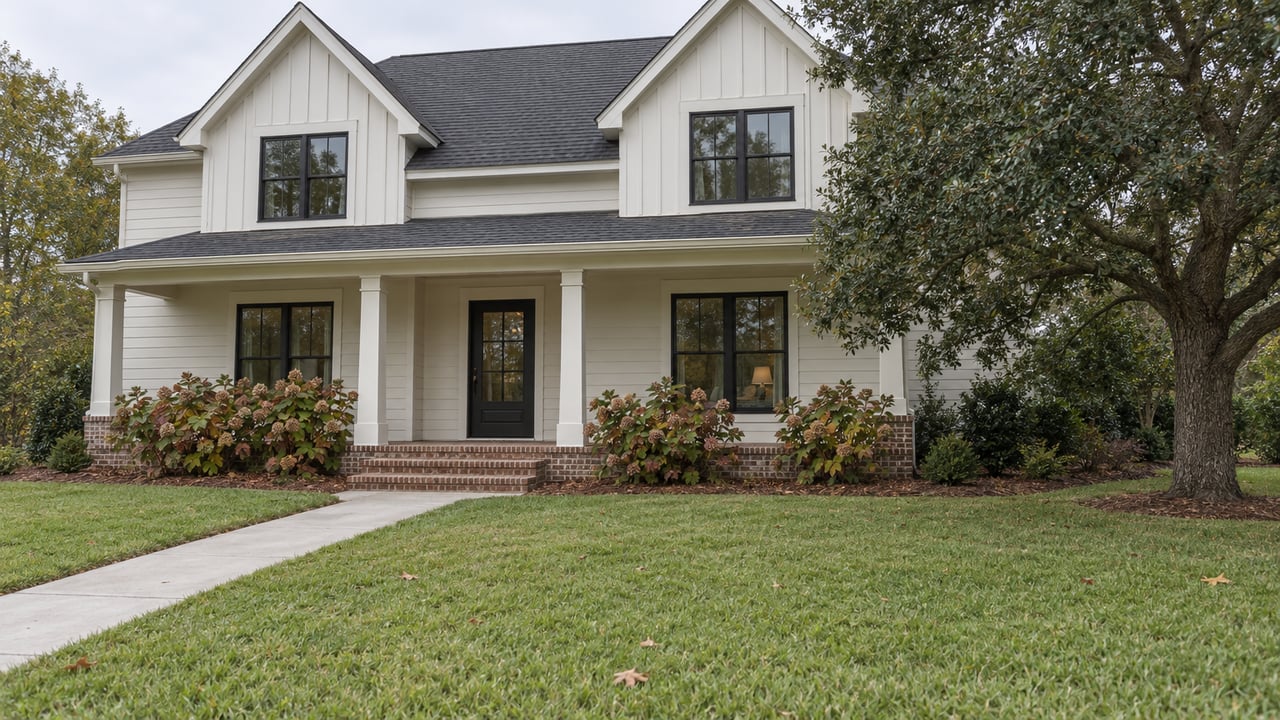
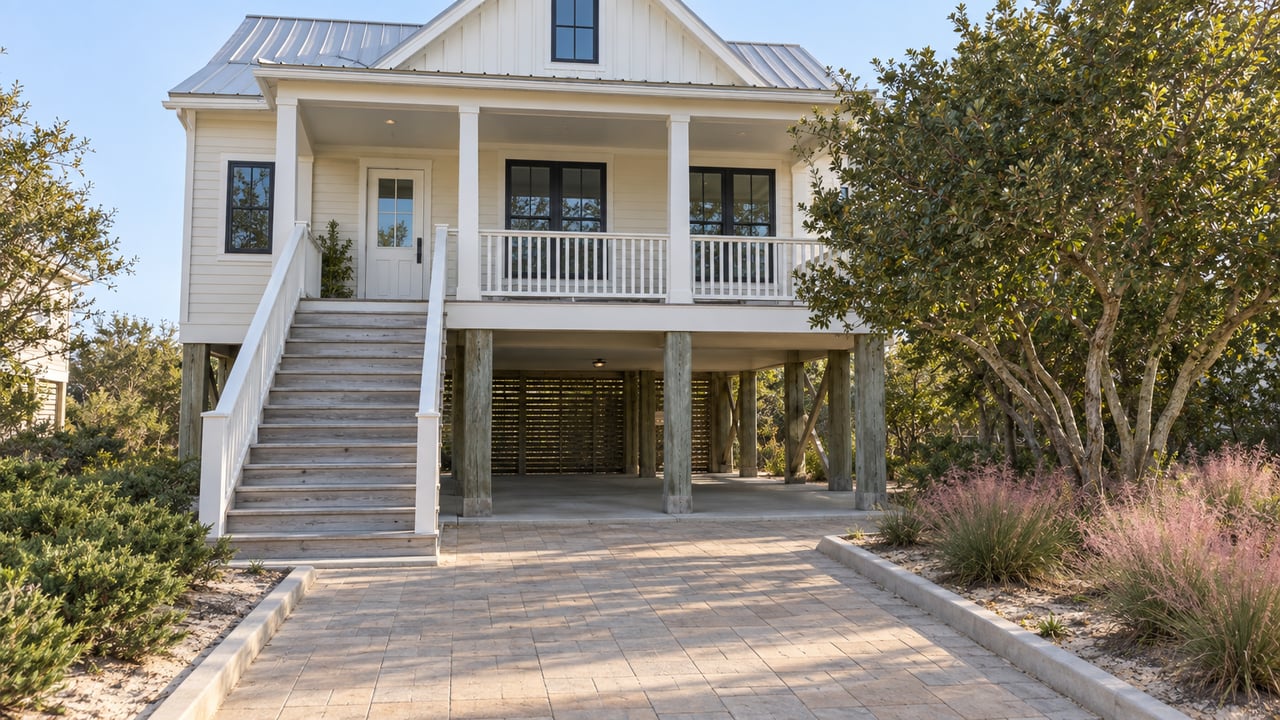
In practice, that means Wilmington’s coastal modern homes often borrow local cues rather than ignore them. You may see cleaner lines and updated finishes, but also porches, vertical windows, raised foundations, and restrained exterior materials that fit the local setting.
If you are trying to spot this style, look for features like:
This is one reason newer Wilmington homes can feel fresh without feeling out of place. Good design here often respects the block even when the house itself is newly built.
Home style matters, but lot size and siting can change your experience just as much. In Wilmington’s residential historic districts, houses are generally placed close to the street on long, narrow lots, and side-yard setbacks may be minimal.
That layout creates a different feel from neighborhoods like Carolina Heights and Winoca Terrace, where lots tend to be larger and setbacks deeper. Even if two homes share similar architecture, the daily feel of the property can be very different because of spacing, yard shape, and how the home meets the street.
If you are relocating to Wilmington, this is an easy detail to miss online. A house that looks perfect in photos may feel more urban, closer to neighbors, or more porch-centered in person than you expected.
On the other hand, a home on a larger lot with a deeper setback may feel quieter and more spread out. Neither is better. It just depends on the kind of lifestyle and setting you want.
Wilmington’s climate is part of the housing story too. The National Weather Service describes the area as humid subtropical, with plentiful rainfall, frequent summer thunderstorms, and hurricane exposure.
Cape Fear averages hurricane-force winds about every six years and major hurricanes about every 17 years. The city is also planning for heavier rainfall and more frequent coastal flooding, which is one reason elevation, drainage, porches, and resilient exterior materials matter so much in local home design.
Whether you are looking at a historic home or a newer build, it helps to pay attention to:
These are not just design details. In Wilmington, they affect comfort, upkeep, and long-term performance.
Older homes and newer homes often ask different things of you. Wilmington’s standards note that porches, gutters, downspouts, paint, and joint sealing need routine attention because exposed porch surfaces can deteriorate quickly.
The city also emphasizes preserving original masonry, foundation materials, and roof details when possible. In many residential districts, wood siding is predominant, brick and stone are common, and metal is the most common roof material, followed by slate.
Historic homes can be incredibly rewarding, but they usually come with more material-specific maintenance. If you love original details, it helps to go in with a realistic plan for upkeep and for matching repairs to the home’s existing materials.
That does not mean historic automatically means difficult. It means you should understand what you are caring for and what level of hands-on attention feels comfortable for you.
Newer coastal-modern or more conventional suburban homes often appeal to buyers who want fewer preservation restrictions and less older-material upkeep. Even so, flood and drainage conditions still matter in Wilmington no matter the age of the house.
For many busy households, this balance matters. You may love the look of a historic porch or cottage, but prefer the day-to-day ease of a newer home.
If a property is in one of Wilmington’s local historic districts or overlays, exterior changes require a certificate of appropriateness and are reviewed for compatibility with the district. That is an important distinction for buyers who want to make visible exterior updates.
National Register districts are different. The city says National Register listing alone does not trigger Historic Preservation Commission review unless the property is also inside a local district boundary.
For eligible properties, North Carolina offers a 15% state tax credit for qualified rehabilitation of owner-occupied historic homes. The federal rehabilitation tax credit does not apply to owner-occupied residences.
Floodplain checks matter citywide as well because FEMA-designated flood zones affect parts of Wilmington, and CAMA regulates ocean-erodible and high-hazard flood areas. If you are comparing homes in different parts of the area, these location-based factors are worth reviewing early.
If you want strong character, classic details, and a close connection to the street, Wilmington’s historic core and narrow-lot neighborhoods may feel like home. If you prefer more space around the house or a broader mix of architectural styles, the early streetcar suburbs can offer a nice middle ground.
If your priority is a fresher layout, fewer older-material maintenance issues, and a design that still feels local, coastal modern may be the right fit. The best choice usually comes down to how you want your home to look, live, and age with you over time.
When you are sorting through those decisions, it helps to have someone who can look beyond the listing photos and help you think about style, setting, upkeep, and presentation together. If you are buying or preparing to sell in Wilmington, Savannah Holman can help you make sense of the details and move forward with confidence.

Savannah Holman is a dedicated real estate professional who brings both personal insight and professional expertise to every client relationship. After experiencing the challenges of relocating with her own family through military orders, she developed a passion for making the home-buying and relocation process easier for others. With degrees in psychology and business, a background in corporate sales, and over eight years of real estate success with 500+ transactions, Savannah combines knowledge, compassion, and advocacy to deliver a seamless and positive experience. She is committed to treating every client like her first, ensuring their journey to a new home is both memorable and rewarding.
📍 110 Dungannon Blvd., Ste. 100, Wilmington, NC 28403
📞 (910) 799-3435



The building blocks that Savannah utilized to help create the experience that she wanted for her clients were instilled in her through lessons she learned from her family, mentors in her youth, and early career opportunities. Contact her today to find out how she can be of assistance to you!